NEWS · CULTURE · POLITICS
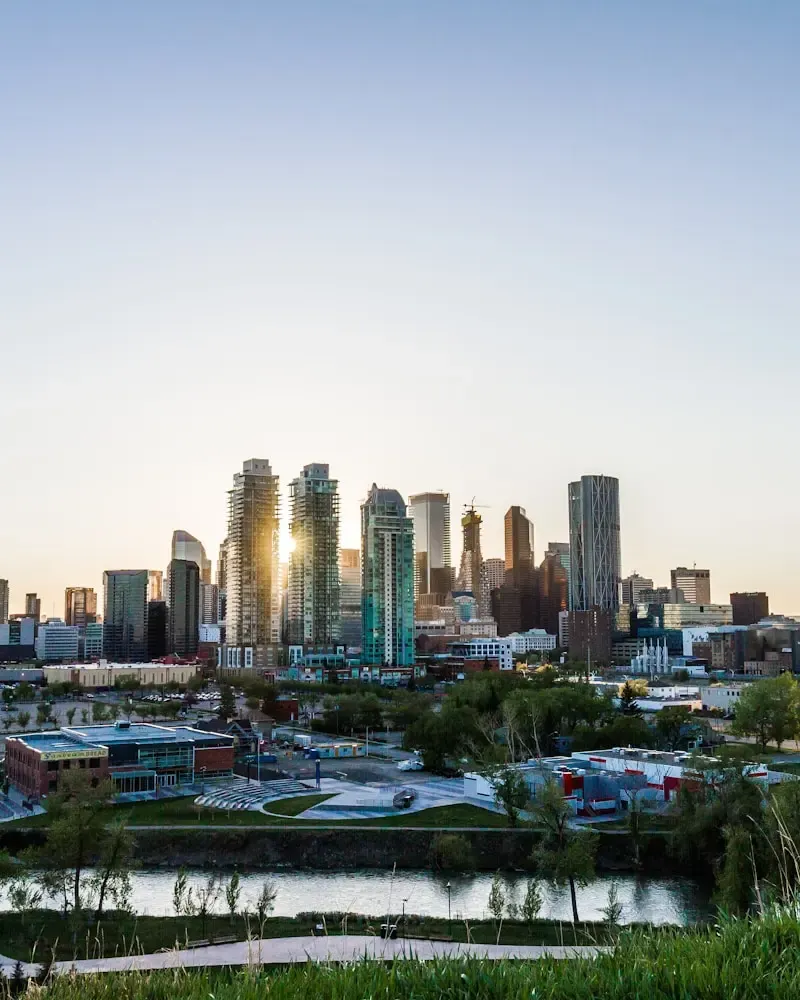
On April 17, 2024, Calgary officially rebranded itself as "Blue Sky City," replacing the previous slogan "Be Part of the Energy." The pivot was deliberate, costly — approximately $4.8 million — and politically controversial. Critics called it an expensive vanity project. Defenders called it overdue. Both were probably right, but neither argument addressed the more interesting question: what does it mean for a city to rebrand itself as something it isn't yet?
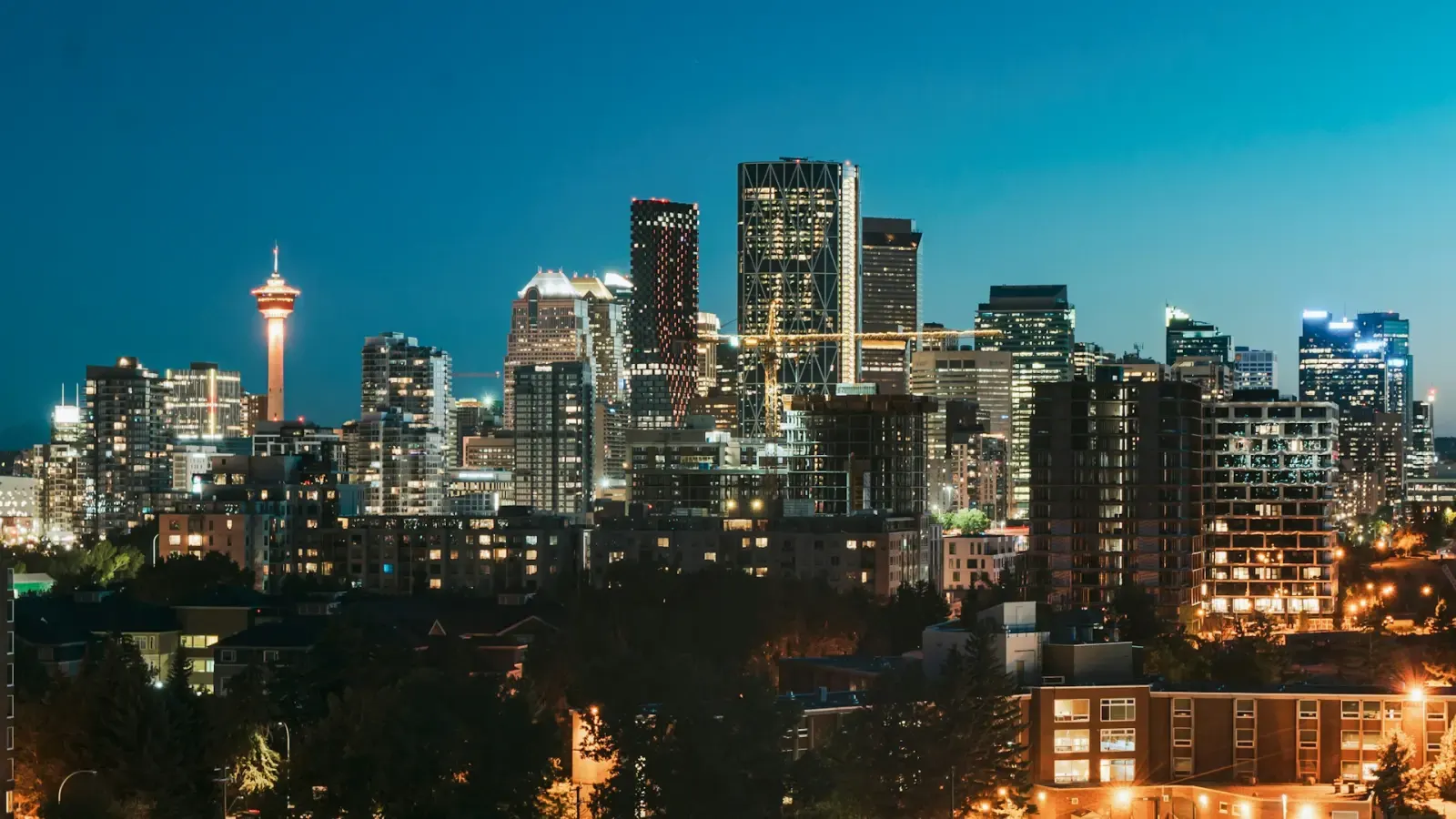
Because that's what "Blue Sky City" is. It's aspirational grammar. It describes a Calgary that exists in economic development pitch decks and tourism campaigns — a city of innovation, creativity, diversification, blue skies and open minds. The Calgary that exists on the ground is more complicated, more interesting, and considerably more conflicted about who it's becoming.
Start with the good news, because it's real.
Read Full EditorialOn March 23, 2026, Calgary City Council will hold a public hearing that is, technically, about land use policy. In practice, it's a referendum on what kind of city this is becoming — and whether the people who live here now get to decide that question for everyone who comes after.
Calgary is simultaneously constructing a $1.22-billion arena and a $660-million performing arts centre transformation. If ambition were currency, this city would be solvent. It isn't, and the math is starting to show.
The statement acknowledged 'serious mismanagement' spanning several years. CRA charitable status had been lost. Canada Council placed TRUCK on 'Concerned Status.' In the Canadian arts sector, this is the equivalent of screaming.
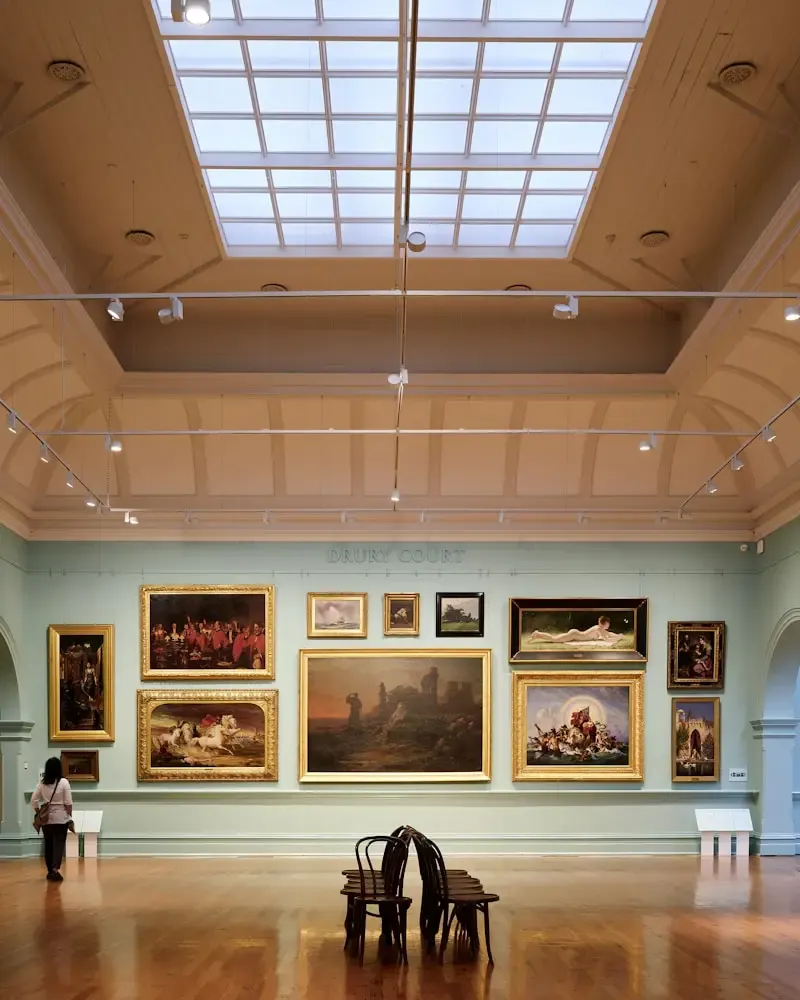
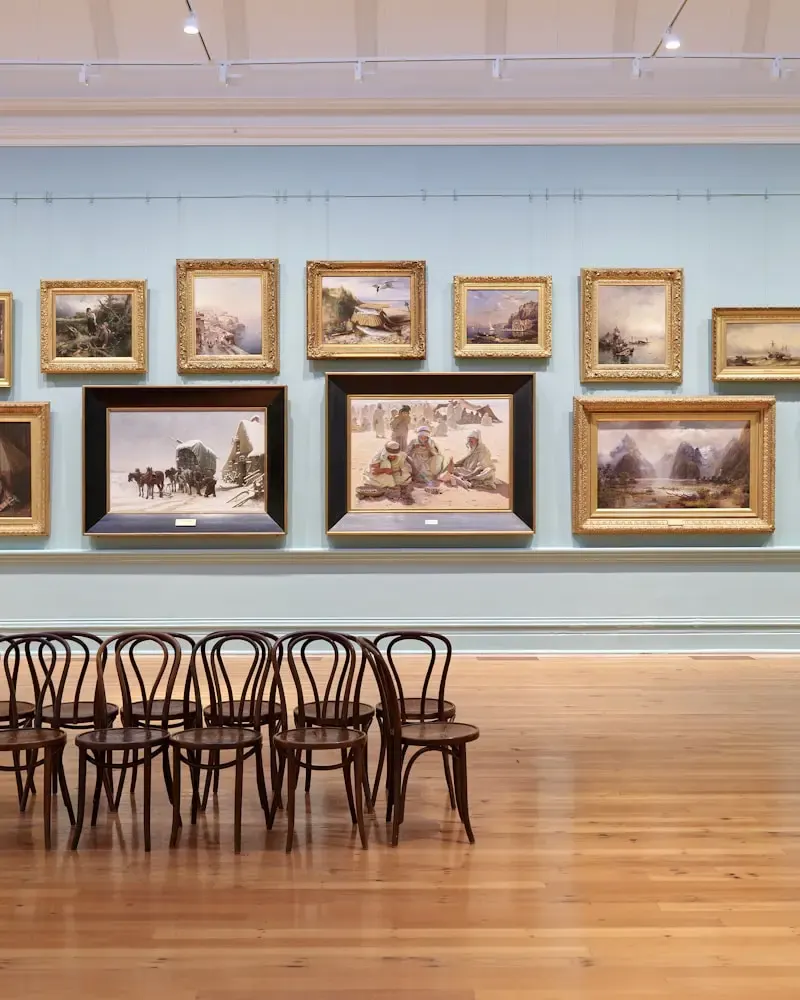
The Glenbow Museum closed its doors in August 2021 for a transformational renovation. The current timeline suggests 2027. What fills the vacuum is nothing. And nothing, over six years, becomes normal.
Calgary is the first municipality in Canada to employ an all-Indigenous team of arts professionals dedicated to public art. Not advisory. Not consulting. Employed. Permanent. Decision-making.
The most interesting music festival in Western Canada just handed its curatorial keys to an experimental hip-hop trio whose last album included industrial noise collages and horrorcore narratives.
There's a restaurant in Calgary where you can eat an 18-course tasting menu that weaves Indigenous ingredients with immigrant flavours, where reservations sell out within an hour of opening.
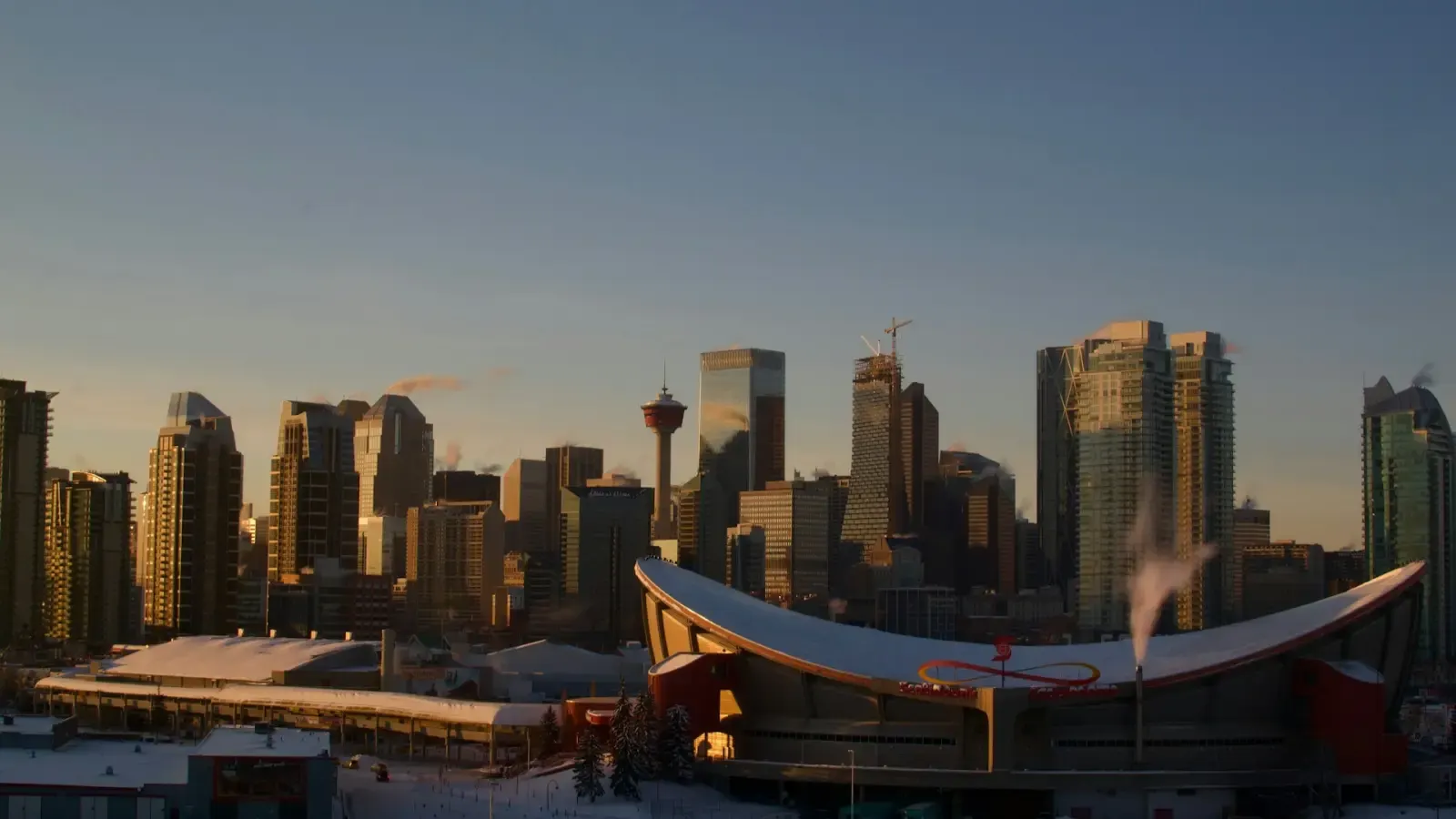
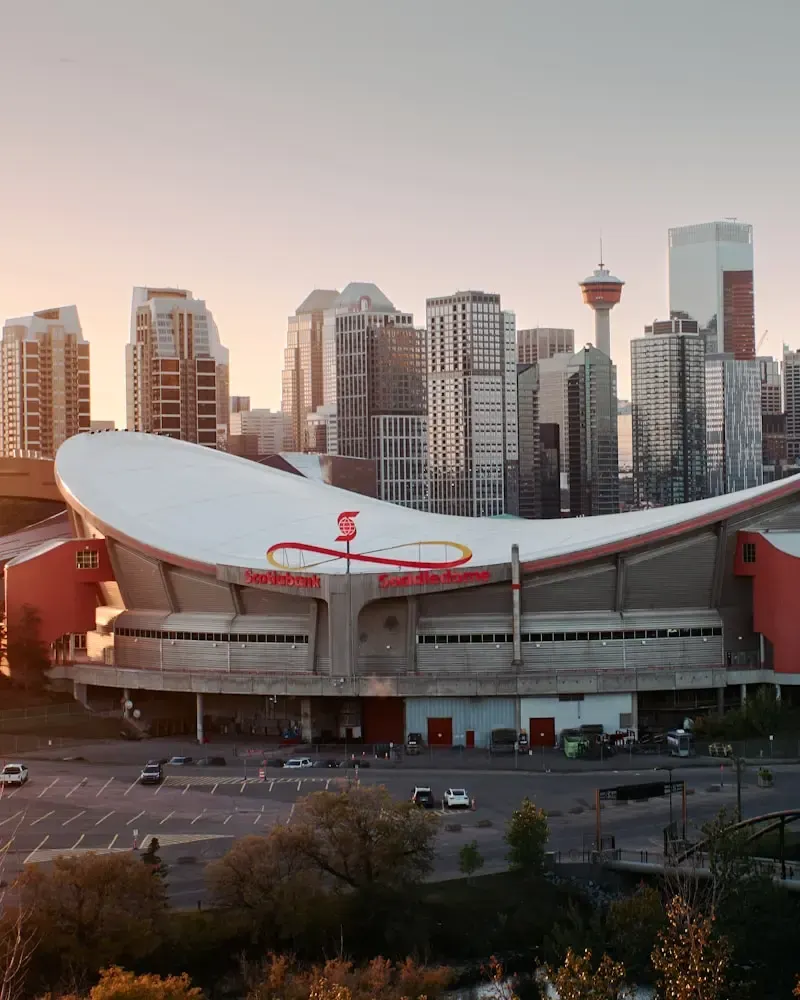
The Scotiabank Saddledome was never beautiful. It was distinctive — the hyperbolic paraboloid roofline gave it a profile that architects praised and everyone else described as "that saddle-shaped thing" — but beauty wasn't the point. The point was that Calgary, in 1983, built a world-class venue for the 1988 Winter Olympics, and for the next four decades, that venue held essentially every major cultural event the city produced.
In fall 2027, Scotia Place opens. The Saddledome will be demolished shortly after. Which means 2026 is, effectively, the building's final full year of concerts. The last Stampede shows. The last spring arena tours. The last time 19,289 people pack into a venue that, for all its acoustic shortcomings and cramped concourses and aging infrastructure, was the room where Calgary experienced its biggest cultural moments.
This is that year. This is the farewell.
"When the building comes down, the memories stay. But the physical space — the specific room where those memories formed — disappears."Read Full Article
The city's 2026 property tax increase works out to approximately $4.50 per month. The province's education property tax increase adds roughly $28 per month. One gets the headlines. The other gets the blame.
Every few years, someone from Toronto or Vancouver writes an article expressing surprise that Calgary has a music scene. The tone is always the same — a mix of condescension and genuine discovery.
Every city has a neighbourhood argument. Calgary's version is quieter but no less real: Inglewood, East Village, and the Beltline are the three neighbourhoods most actively competing for the title of Calgary's cultural centre.
Calgary's 2026 event calendar is stacked — arena farewell concerts, major festival seasons, theatre premieres, Broadway tours, and enough neighbourhood events to fill every weekend.