
The most interesting music festival in Western Canada just handed its curatorial keys to an experimental hip-hop trio whose last album included industrial noise collages, horrorcore narratives, and production that sounds like a malfunctioning spaceship trying to land in a scrapyard. If that sounds like an unusual choice for a Calgary music festival, you haven't been paying attention to what Sled Island actually is.
Sled Island 2026 runs June 17–21, and this year's guest curator is clipping. — the LA-based group comprising Daveed Diggs, William Hutson, and Jonathan Snipes. Yes, that Daveed Diggs — the one who originated the dual roles of Marquis de Lafayette and Thomas Jefferson in *Hamilton*, won a Tony and a Grammy, and then went back to making some of the most abrasive, inventive hip-hop on the planet. The duality is the point. Diggs doesn't choose between accessibility and experimentation. He occupies both simultaneously, which makes him a perfect fit for a festival that has spent nearly two decades doing exactly the same thing.
What guest curation means
Sled Island's guest curator model is the festival's secret weapon. Each year, a single artist or group is given significant influence over the lineup — not just performing but shaping the bill, inviting acts they admire, and setting a curatorial tone that inflects the entire festival. Previous curators have included artists across genres and temperaments, each leaving a distinct mark on the programming.
clipping.'s curatorial influence means the 2026 lineup will likely lean into the spaces between genres — noise, experimental hip-hop, avant-garde electronic, the kind of music that exists in the cracks between what streaming algorithms recognize. This is the festival's strength: bringing acts to Calgary that wouldn't otherwise route through western Canada, creating encounters between local scenes and international artists that couldn't happen at a conventional booking-driven festival.
The headlining clipping. performance is already sold out. Originally slated for the #1 Royal Canadian Legion, the show was moved to the Palace Theatre due to demand — and advance tickets were gone by February 3. When experimental hip-hop sells out a Calgary venue before the first-wave lineup is even announced, it tells you something about the audience Sled Island has built over nineteen years.
The festival Calgary needs
Sled Island was founded in 2007, and it has spent the intervening years quietly becoming one of the most important music festivals in the country — not the biggest, not the most commercially successful, but the most curatorially ambitious.
The format is key: 200-plus bands across 25-plus venues over five days. The venues are clubs, bars, galleries, theatres, and unconventional spaces scattered across the city. Palomino Smokehouse. Broken City. Dickens. The King Eddy. Ironwood Stage and Grill. The Palace Theatre. Commonwealth. Each venue holds a few hundred people at most, which means the festival experience is intimate rather than industrial. You're not watching a dot on a distant stage through a sea of phones. You're standing six feet from the performer in a room that smells like beer and sounds like it was built for exactly this.
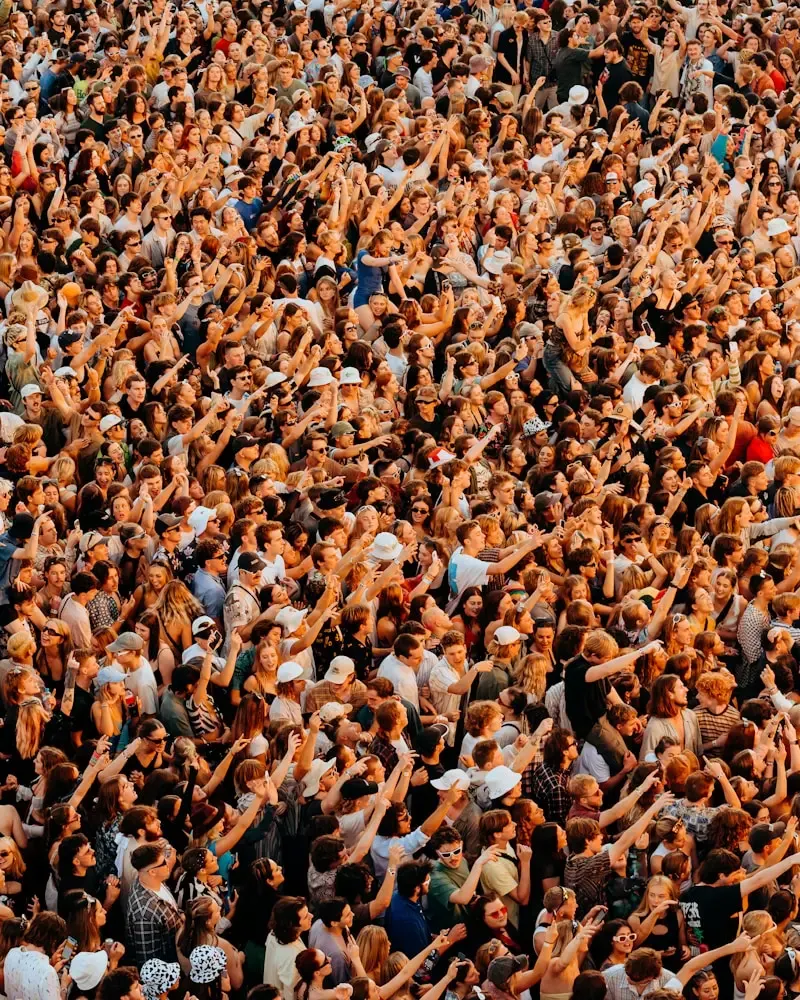
The festival draws 25,000-plus attendees, which makes it a significant economic event for the venues and businesses that host it. But the cultural impact is harder to quantify. Sled Island is where Calgary's local music scene intersects with the international touring circuit, where a band from Kensington shares a bill with an act from Berlin, where the audience that comes for the headliner stays for the 11 PM set by someone they've never heard of and walks out converted.
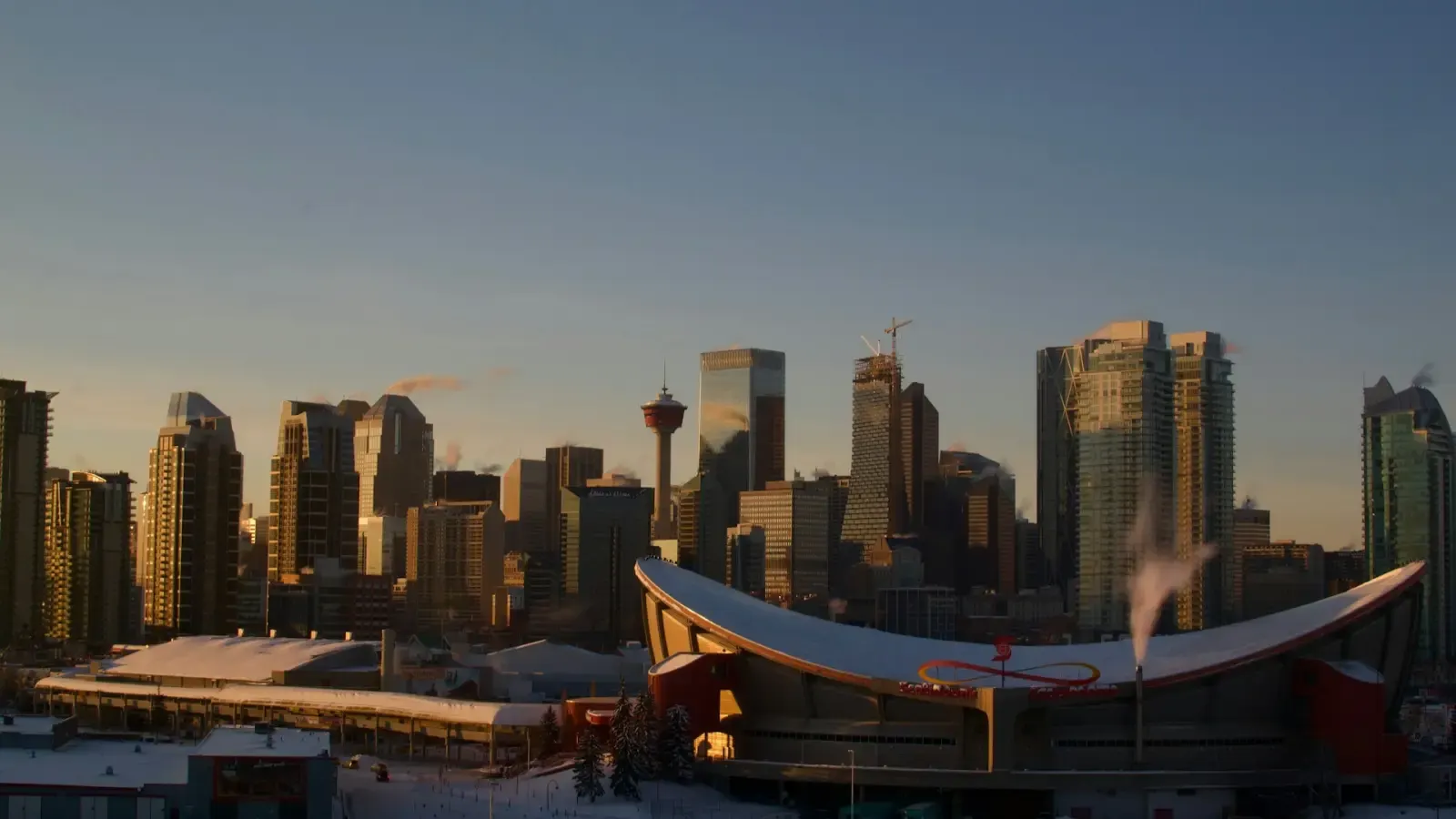
This is how scenes get built. Not through major arena tours — those serve existing tastes — but through festivals that expose audiences to music they didn't know they wanted. Every city that has a vital music scene has a festival like Sled Island at its core. The fact that Calgary's is this good is one of the strongest arguments for the "Blue Sky City" identity that the city is trying to earn.
The local ecosystem
Sled Island doesn't exist in isolation. It sits at the peak of a local music ecosystem that, despite chronic underfunding and the perpetual challenge of being 3,000 kilometres from the industry centres in Toronto and Montreal, continues to produce artists worth hearing.
Sunglaciers — described as "acclaimed art rock" but more accurately filed under post-punk psychedelia — are the kind of band that Sled Island was built for: too weird for mainstream radio, too good to ignore, and exactly the sort of act that turns a festival set into a word-of-mouth phenomenon. Tea Fannie is doing genuinely innovative work in Calgary hip-hop. MAUVEY's Afro-fusion has national reach. SHY FRiEND is building an alt-pop audience. Ginger Beef brings jazzy pop sensibility. D'orjay is doing something rare in country music: centering Black roots in a genre that has spent decades minimizing them. Mariel Buckley just played the Jubilee — a roots artist earning big rooms through sheer quality.
The venue infrastructure supports all of it. Dickens got a sound renovation and the room is better for it. The Palace Theatre handles the bigger bookings. Broken City remains the chaotic, sweaty anchor of the indie circuit. Ironwood holds down the folk and roots end. The King Eddy carries historical weight. Modern Love fills a niche. Palomino smokes meat and books bands. The ecosystem works because the venues work, and the venues work because there are enough people in Calgary willing to pay a cover charge on a Tuesday night to see someone they've never heard of.
Passes and planning
Early-bird passes are currently available at 20% off Discovery and Discovery Plus tiers. The first-wave lineup announcement is expected soon. If clipping.'s curatorial influence follows the pattern of previous guest curators, expect the announcement to include several acts that prompt the response "who?" followed, a few months later, by the response "oh, I get it now."
That's the Sled Island cycle. Confusion, then discovery, then gratitude. For five days in June, Calgary becomes the kind of music city it wants to be year-round. The question isn't whether the festival delivers — it always does. The question is whether the city builds the year-round infrastructure to retain the energy that Sled Island generates, or whether it remains an annual reminder of what's possible before everyone goes back to normal.
June 17. Mark it.
*The Chinook covers Calgary's arts, culture, and the politics that shape them.*