
There is a version of this article that catalogs Indigenous arts programming in Calgary — the exhibitions, the grants, the festivals — and frames them as evidence of progress. Look, the article would say, how far we've come. Here are the events. Here are the names. Isn't this wonderful.
That article is easy to write and insufficient to read. What's actually happening in Calgary's Indigenous arts ecosystem isn't a programming trend. It's a structural realignment, and the distinction matters.
The team that changed the model
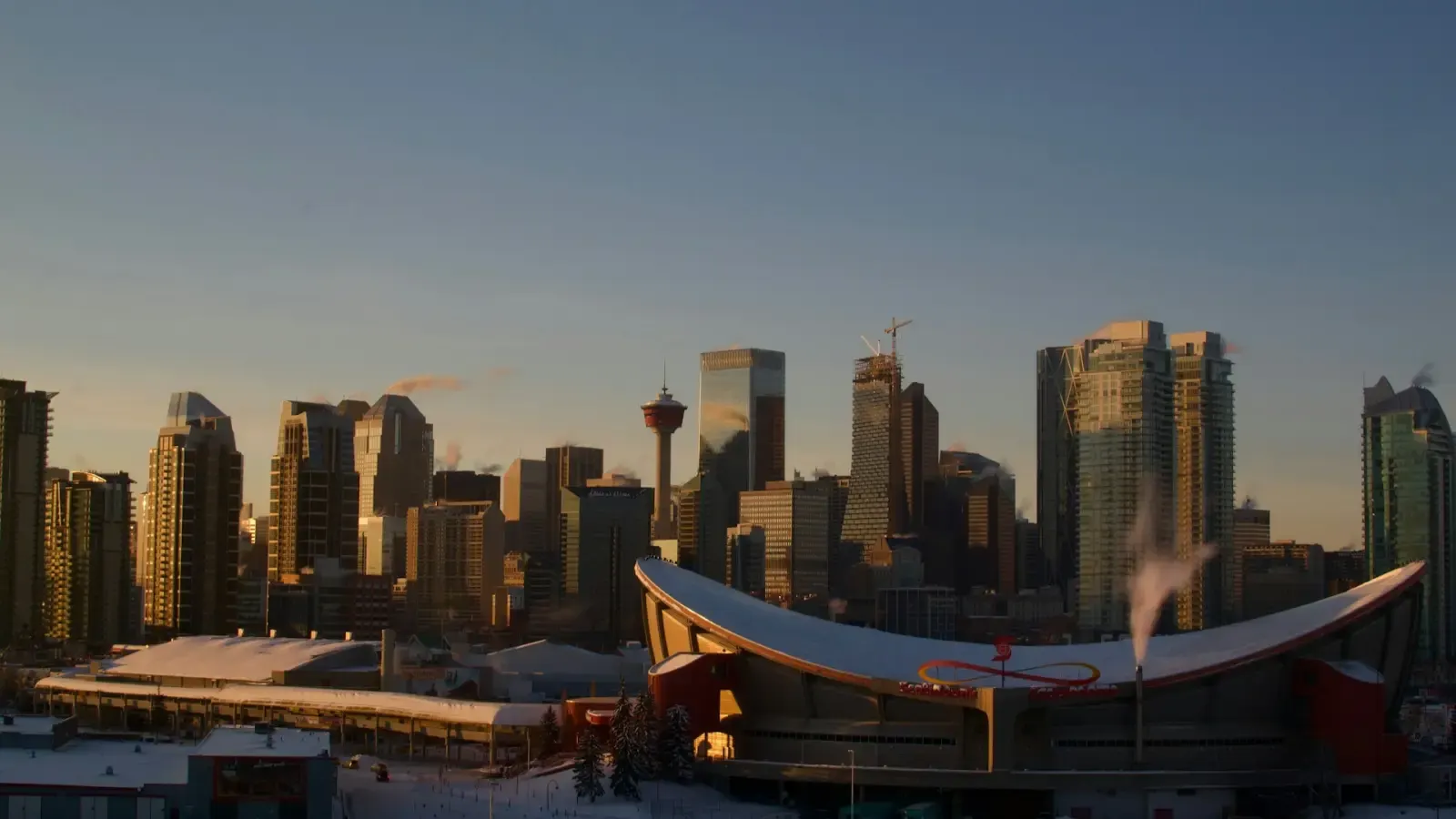
Calgary is the first municipality in Canada to employ an all-Indigenous team of arts professionals dedicated to public art. Not advisory. Not consulting. Not contracted for a single project and then thanked for their input. Employed. Permanent. Decision-making.
This sounds like a bureaucratic detail because it is one, and bureaucratic details are where power actually lives. When an Indigenous team leads public art commissioning, the questions change. Instead of "how do we include Indigenous perspectives in this project," the question becomes "what does this land need." Instead of consultation as a checkbox, Indigenous knowledge becomes the framework within which decisions are made. The difference is between being invited to someone else's table and setting your own.
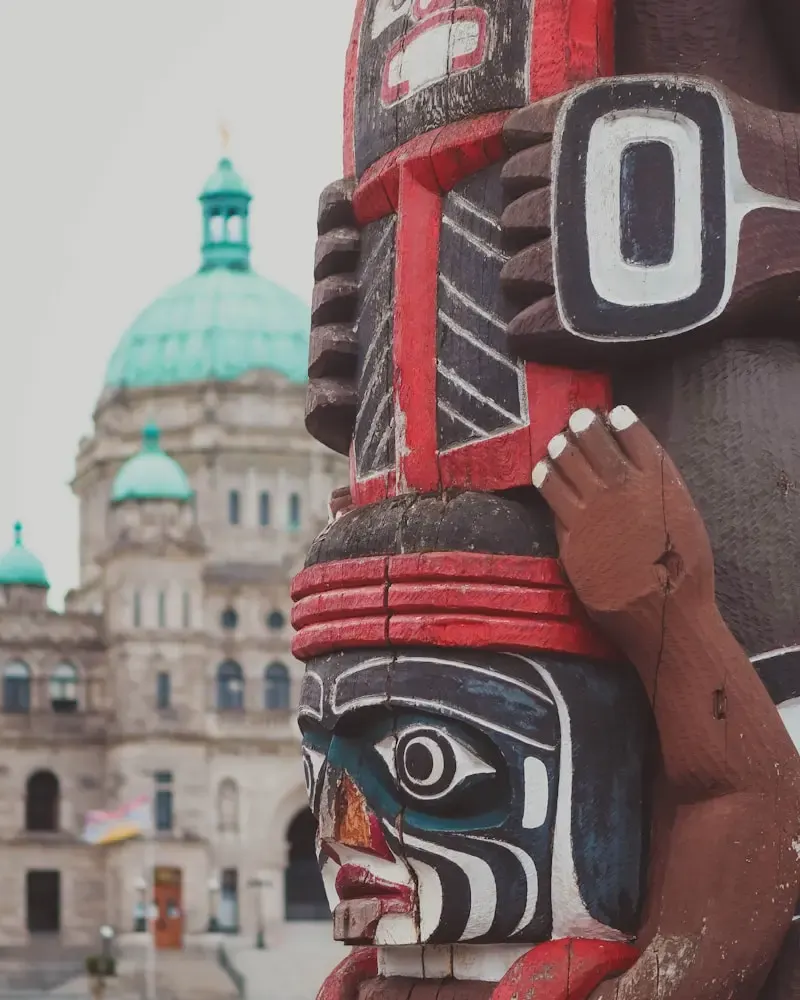
The 2026 public art commissions reflect this. The transit bus art program includes work by Grant Little Mustache and Sikapinakii Low Horn alongside non-Indigenous artists — not as a diversity measure but as a natural outcome of a selection process led by people who understand that Treaty 7 territory's visual culture isn't supplementary. It's primary.
A Community-Informed Public Art Project in East Calgary's International Avenue is specifically calling for Treaty 7 artists, with a deadline of April 10, 2026. The 2026 Indigenous Digital Artist Call carries the theme "Indigenous Futurisms" — a framework that refuses the past-tense box that settler culture persistently tries to put Indigenous art into. Futurisms. Not traditions. Not heritage. The future.
Glenbow's Blackfoot Gallery
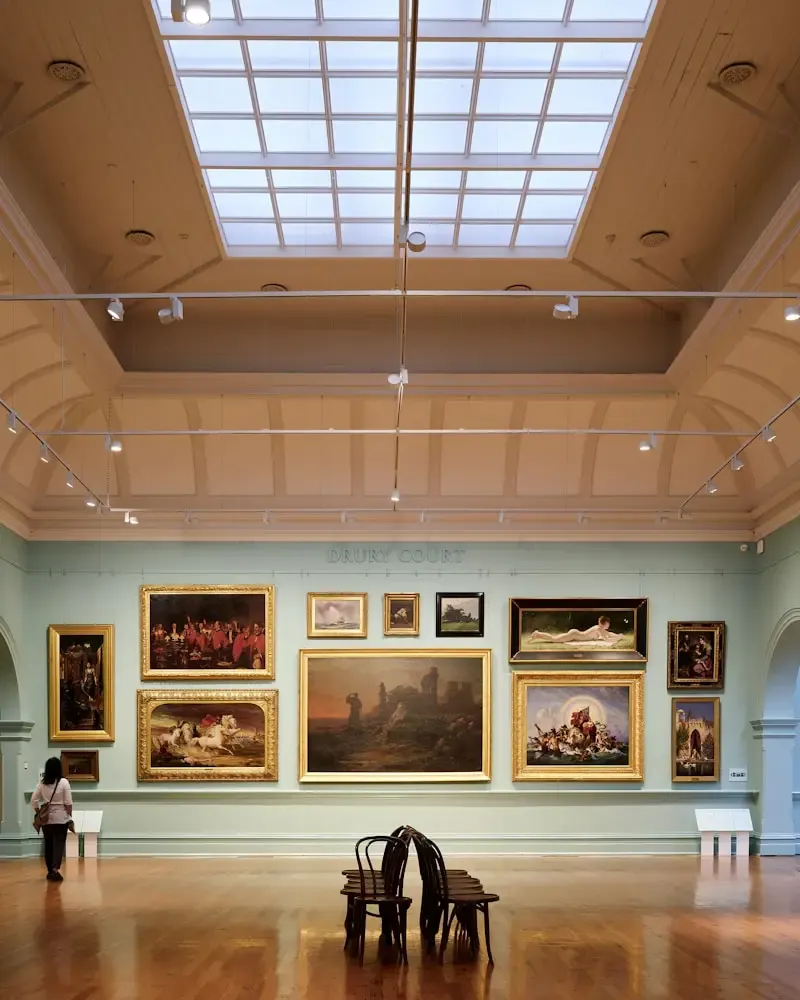
When the Glenbow Museum eventually reopens — 2027, if current timelines hold — the most significant room in the building won't be the one with the Maya Lin terrace or the skylit lobby. It will be the Blackfoot Gallery.
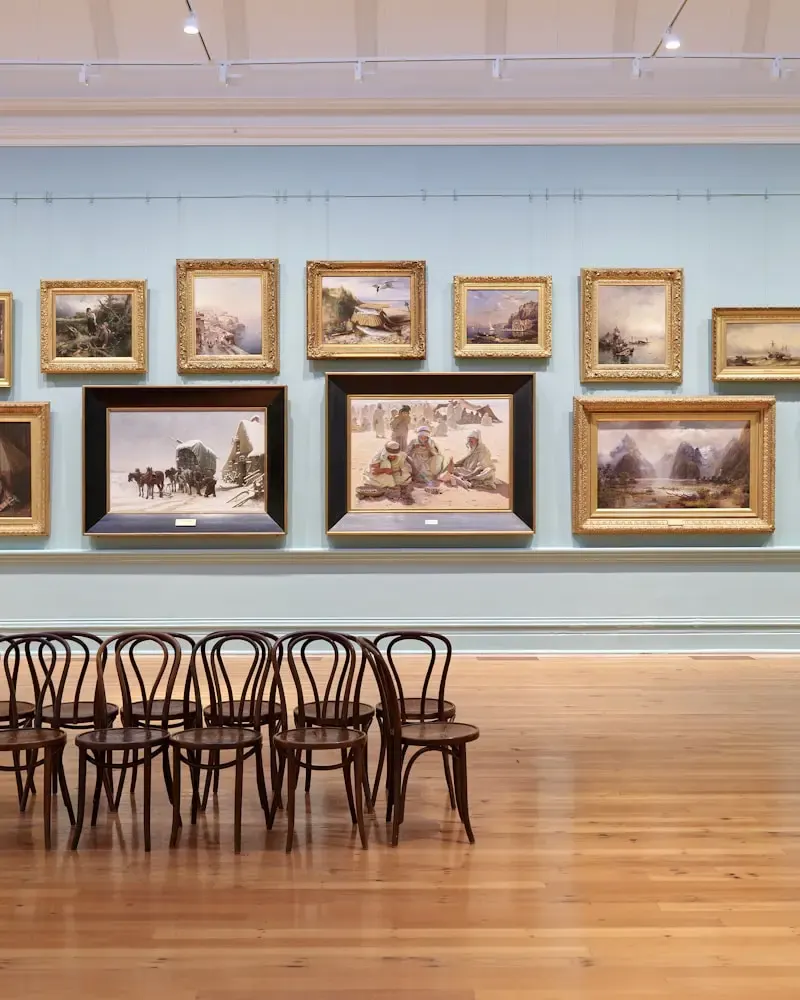
This gallery is being curated by Elders from Siksika, Piikani, Kainai, and Blackfeet Nation under the direction of Gerald McMaster, one of Canada's most prominent Indigenous curators. The curatorial authority rests with the communities whose objects and stories are being presented. This is not a gallery about Blackfoot culture designed by non-Indigenous museum professionals with Indigenous input. It is a gallery of Blackfoot culture, designed and directed by Blackfoot people.
The implications extend beyond the Glenbow. Major museums across Canada have been grappling — some genuinely, some performatively — with the question of how to represent Indigenous cultures in institutions that were historically built to collect and display them as artifacts of a vanishing people. The Glenbow's model, in which curatorial authority is structurally ceded to the communities whose material culture is being shown, offers one answer. It's not the only answer, but it's a real one, and it's being implemented at scale in a major Canadian museum renovation.
Whether other institutions follow will depend on whether they see this as an experiment or a precedent. Calgary, for once, is setting the standard rather than following it.
Studio Bell and the recording bursary
The National Music Centre's OHSOTO'KINO Recording Bursary is a smaller program with an outsized concept. It gives Indigenous artists a week-long recording session at Studio Bell — a facility with professional studios, engineers, and the kind of infrastructure that most emerging musicians can't access without a label deal or significant personal resources.
The bursary's alumni include JUNO winner Joel Wood and PIQSIQ. Applications for the current cycle close March 1, 2026. The program is funded. It's operational. It produces results.
What makes it structurally interesting, rather than just programmatically nice, is the access model. The barrier for Indigenous musicians in the Canadian music industry isn't primarily talent — it's infrastructure. Studios cost money. Engineers cost money. Travel to studios costs money. Equipment costs money. A bursary that removes the infrastructure barrier and puts the artist in a world-class facility for a week doesn't just produce a recording. It produces a professional experience — credits, relationships, technical confidence — that compounds over a career.
This is how you build a pipeline. Not by celebrating the artists who already made it through, but by removing the structural barriers that prevent the next ones from getting started.
Calgary Arts Development's Indigenous programs
CADA operates several funding streams specifically for Indigenous artists in Treaty 7 territory. The Original Peoples Investment Program provides up to $20,000 for individual artists and $25,000 for collectives. The Indigenous Cultural Connections Program supports preservation and revival of Indigenous culture. Priority consideration for Indigenous applicants exists across CADA's general grant programs.
These aren't large numbers by the standards of institutional funding, but they're not nothing. They're also recurring — built into CADA's budget structure rather than dependent on one-time allocations that disappear with the next council. For a solo artist working on a project that needs $15,000 to reach completion, the difference between that money existing and not existing is the difference between the project happening and not happening. Scale matters, but so does consistency.
What "structural" actually means
The word "structural" gets used loosely in conversations about equity. Often it means "we hired someone" or "we created a position" or "we have a policy." These are gestures, and gestures can be withdrawn.
What Calgary has built is different in degree, if not entirely in kind. An all-Indigenous public art team isn't a gesture — it's a hiring decision that reshapes decision-making authority. A Blackfoot Gallery with Indigenous curatorial control isn't a program — it's an architectural commitment embedded in a $205-million renovation. A recording bursary at a national facility isn't a one-off — it's an annual pipeline with institutional backing.
None of this is complete. None of it is sufficient. The broader context — the over-incarceration of Indigenous people, the housing crisis on reserves, the ongoing legacy of residential schools, the boil-water advisories that persist in Indigenous communities while Calgary fast-tracks a $200-million pipe for its own water supply — makes any celebration of arts funding feel inadequate. Art doesn't fix policy failure. It doesn't house people. It doesn't clean water.
But art does something that policy can't: it changes what a city sees when it looks at itself. When the transit bus rolling down Centre Street carries work by Grant Little Mustache, when the Glenbow's most prominent gallery is curated by Blackfoot Elders, when a JUNO-winning musician's career traces back to a recording session at Studio Bell — the city's self-image shifts. Not fast enough. Not far enough. But in a direction that matters.
The question that remains
Calgary can claim structural leadership in Indigenous arts with some justification. The institutional commitments are real. The funding is recurring. The decision-making authority is, in several significant cases, genuinely in Indigenous hands.
But structural change is only as durable as the political will that sustains it. A council that cut $9 million in climate spending in its first budget could, in its second or third budget, decide that Indigenous arts programs are discretionary. A provincial government running a $9.4-billion deficit could redirect AFA funding. A federal government could deprioritize Indigenous cultural infrastructure.
The test isn't whether the structures exist today. It's whether they exist in five years, after the political winds have shifted and the urgency of reconciliation has faded from the news cycle. Calgary has built something worth protecting. Whether it protects it will tell you more about the city's values than any rebrand or mission statement.
For now, the work continues. The public art goes up. The bursary applications go in. The Elders guide the gallery. The future, for once, is being built by the people who were here first.
*The Chinook covers Calgary's arts, culture, and the politics that shape them.*