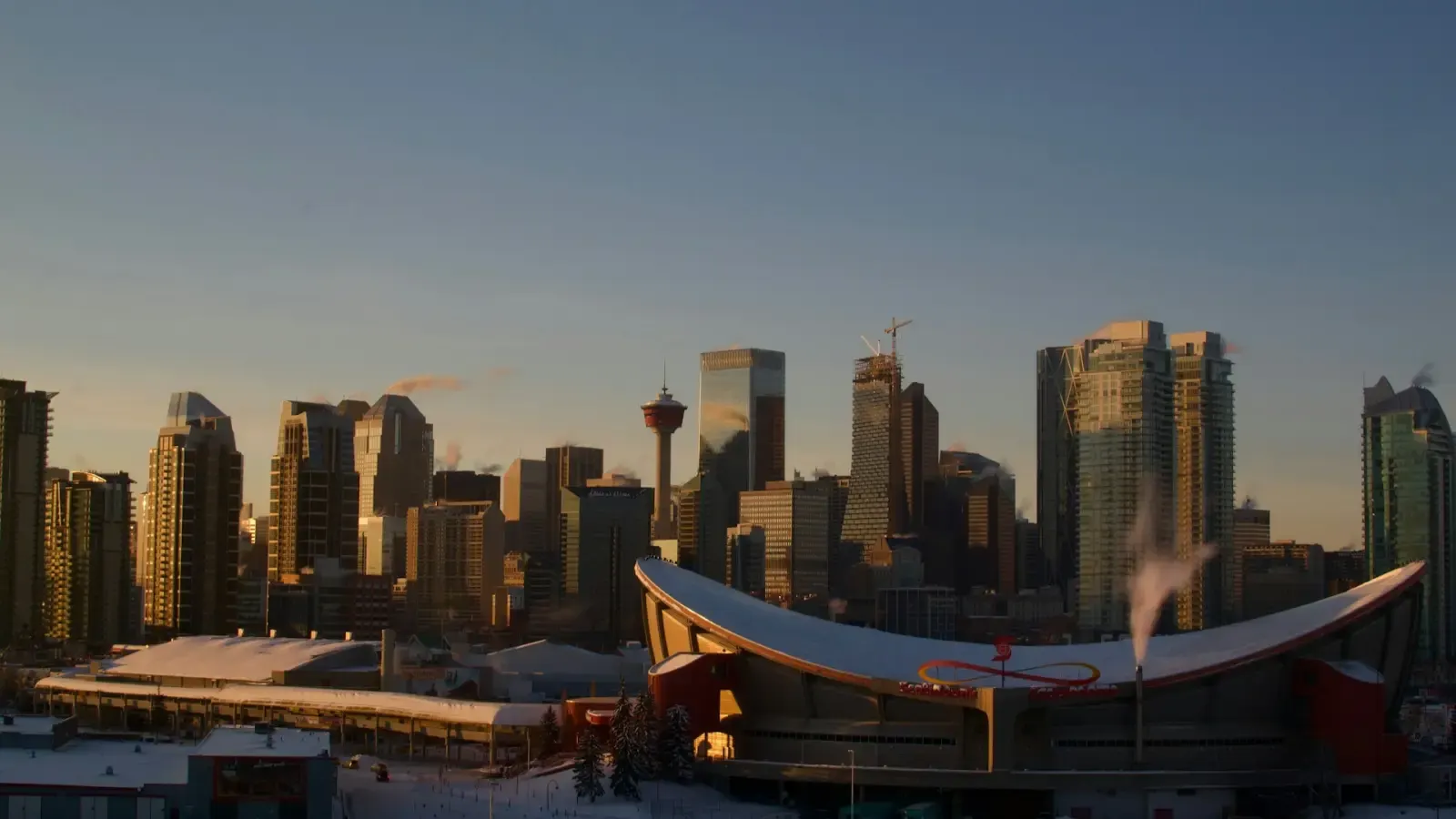

The Scotiabank Saddledome was never beautiful. It was distinctive — the hyperbolic paraboloid roofline gave it a profile that architects praised and everyone else described as "that saddle-shaped thing" — but beauty wasn't the point. The point was that Calgary, in 1983, built a world-class venue for the 1988 Winter Olympics, and for the next four decades, that venue held essentially every major cultural event the city produced.
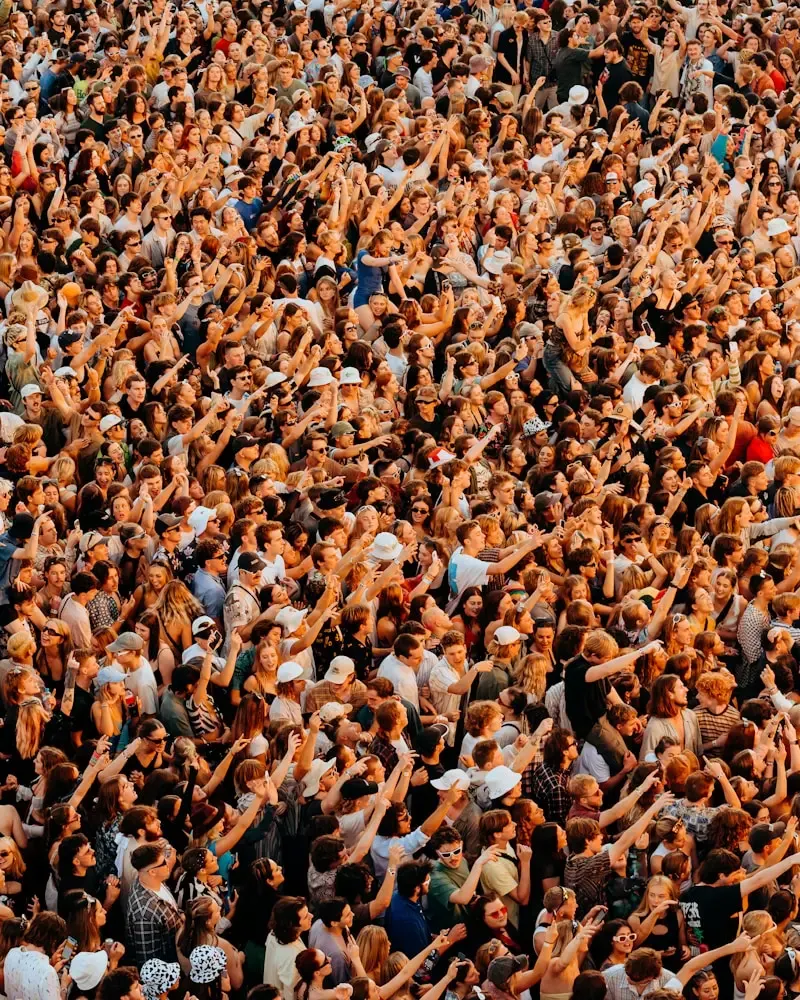
In fall 2027, Scotia Place opens. The Saddledome will be demolished shortly after. Which means 2026 is, effectively, the building's final full year of concerts. The last Stampede shows. The last spring arena tours. The last time 19,289 people pack into a venue that, for all its acoustic shortcomings and cramped concourses and aging infrastructure, was the room where Calgary experienced its biggest cultural moments.
This is that year. This is the farewell.
What the building held
Concert history in Calgary is, in large part, Saddledome history. The list is too long to be comprehensive and too personal to be definitive — everyone's Saddledome memory is the one that mattered to them — but the breadth tells the story.
The Tragically Hip played here. So did The Rolling Stones, U2, Bruce Springsteen, Prince, David Bowie, Beyoncé, Taylor Swift, Kanye West, Pearl Jam, Radiohead, Metallica, AC/DC, Garth Brooks, k.d. lang, Joni Mitchell, and essentially every major touring act that came through western Canada for four decades. The building hosted the 1988 Olympics figure skating competition that produced Elizabeth Manley's legendary silver medal performance. It hosted every Flames playoff run since 1983, including the 2004 run that turned the Red Mile into a phenomenon. It hosted World Wrestling Entertainment events, Disney on Ice, monster trucks, and whatever Cirque du Soleil was doing at any given moment.
It also hosted terrible sound. The building was designed for hockey, and the acoustics reflected that priority with the subtlety of a puck off the glass. Artists complained. Sound engineers compensated. Audiences adjusted. The Saddledome was never the best-sounding room in the city — that distinction belonged to the Jack Singer Concert Hall or, on a good night, the Jubilee — but it was the biggest, and bigness has its own power. When 19,000 people sing along to the same chorus, acoustic fidelity becomes irrelevant.
The final lineup
The 2026 Saddledome concert schedule reads like a deliberate exercise in generational nostalgia, though it probably isn't — touring schedules are planned years in advance, and most of these acts were booked without regard to the building's expiration date.
Goo Goo Dolls with Dashboard Confessional on March 23 — a double bill that will fill the room with people who remember when both those bands were on the radio. Diljit Dosanjh on April 30 — a reminder that Calgary's biggest concert audience in 2026 may well be Punjabi. Karan Aujla on May 6, continuing that thread. Triumph on May 8 — Canadian rock legends from the generation that built the Saddledome's original audience. The Guess Who on June 8, because no Canadian arena closes without The Guess Who.
Then Stampede: A$AP Rocky on July 4 and Alanis Morissette on July 11. Rocky represents the Saddledome's future audience — the demographic that Scotia Place is being built to attract. Morissette represents its peak — the generation that experienced the building at its cultural apex, when a Tuesday night arena show was the social event of the month because there was literally nowhere else in Calgary to see an act that size.
Whether additional farewell shows get announced remains to be seen. A building with this history deserves a proper send-off, but proper send-offs require someone to organize them, and demolition timelines don't wait for sentiment.
What the building meant
The Saddledome was Calgary's proof of scale. Before it existed, the city's largest indoor venue was the Stampede Corral — a fine building for rodeo but inadequate for the ambitions of a city that was growing faster than its infrastructure. The Saddledome said: we can hold 19,000 people in one room. We can host the Olympics. We can attract the same tours that go to Toronto and Vancouver. We are a real city.
That validation mattered more than Calgarians might want to admit. Western Canadian cities carry a persistent sense of being second-tier — too far from the cultural centres, too small for the A-list routing, too cold for the festival circuit. The Saddledome didn't eliminate that feeling, but it made it harder to justify. The building existed, and therefore the acts came, and therefore the memories accumulated, and therefore the city's cultural self-image incorporated the idea that major live events happen here.
When the building comes down, the memories stay. But the physical space — the specific room where those memories formed — disappears. There's something about that exchange, between concrete and memory, that every city that demolishes a major venue has to reckon with. Nostalgia is not a reason to keep a building. The Saddledome's infrastructure is aging, its amenities are outdated, its acoustics were never good, and Scotia Place will be better by every measurable standard. But "better" and "irreplaceable" aren't opposites. They coexist, uncomfortably, in the decision to tear something down.
What comes next
Scotia Place will seat 18,400 for hockey and 20,000 for concerts, with modern acoustics, flexible staging, artist-friendly facilities, and the kind of premium hospitality infrastructure that generates the revenue required to attract top-tier tours. The building will be better. The experience will be better. The acts will be bigger.
And for the first few years, every person who walks in will think, involuntarily, about the building that used to stand where the parking lot now is. They'll remember the show they saw when they were seventeen. The concourse where they spilled their beer. The seats where they watched the Flames lose in game seven. The specific quality of noise that 19,000 people make in a room with bad acoustics and perfect energy.
That's what the Saddledome was, in the end. Not a great building. A great room. And 2026 is the last year to stand in it.
If you have a show on this year's schedule that means something to you, go. Not because the concert will be better in the Saddledome than it would be anywhere else — it won't — but because the room itself is part of the experience, and the room is leaving.
The saddle-shaped thing on the Stampede grounds. The building that held everything. One more year.
*The Chinook covers Calgary's arts, culture, and the politics that shape them.*